The Ultimate 2025 Robotic Lawn Mower Maintenance Master Guide: Maximize Longevity & Performance

Introduction: The Rise of Robotic Mowers
The landscape of modern lawn care has undergone a seismic shift over the last decade. Gone are the days when maintaining a pristine green carpet required hours of sweat, manual labor, and the constant roar of internal combustion engines. Today, the “silent revolution” is taking place in backyards across the globe, led by autonomous robotic lawn mowers. These sophisticated machines represent the pinnacle of outdoor automation, blending advanced robotics, sensor technology, and smart connectivity into a compact, efficient package. But why the sudden surge in popularity? The answer lies in the intersection of convenience and quality. Traditional mowing often results in a “cut and shock” cycle for the grass, where a large portion of the blade is removed once a week. Robotic mowers, by contrast, operate on a “little and often” principle. By clipping just a few millimeters of grass daily, they provide a constant mulching effect that returns nutrients directly to the soil, resulting in a thicker, healthier, and greener lawn without the need for chemical fertilizers. However, as with any high-tech investment, longevity and performance are not guaranteed by purchase alone. A robotic mower is a complex piece of machinery that operates in a harsh outdoor environment
Deep Dive: Advanced Sensor Technology in 2025
As we move further into 2025, the sensor technology found in robotic lawn mowers has evolved from simple bump-and-turn mechanics to sophisticated spatial awareness systems. One of the most significant advancements is the integration of LiDAR (Light Detection and Ranging). By pulsing laser light and measuring the reflection time, the mower can create a high-resolution 3D map of its surroundings in real-time. This allows for superior obstacle avoidance, enabling the mower to navigate around delicate flower beds, stray toys, and even small animals with millimeter precision. Another breakthrough is the widespread adoption of AI-driven vision systems. Using high-definition cameras and onboard neural networks, mowers can now distinguish between different types of terrain. For example, a modern mower can recognize the difference between grass and a gravel path, adjusting its cutting height or speed accordingly. It can even identify specific types of weeds and prioritize those areas for more frequent cutting. This level of intelligence reduces the wear and tear on the cutting system and ensures that the mower only operates where it is truly needed.
The Year-Round Maintenance Calendar
Maintaining a robotic mower is not just a summer task. To ensure maximum longevity, you must adapt your maintenance routine to the changing seasons. January and February: The Off-Season. During the coldest months, your mower should be in storage. This is the perfect time for a full professional service. March: Preparation for the Season. As the first signs of spring appear, it’s time to wake up your mower. Clean the charging station and check for boundary wire breaks. April and May: The Growth Surge. This is when your mower will work the hardest. Check the blades weekly. June, July and August: Heat and Dust. In the peak of summer, dust becomes your primary enemy. Use compressed air to blow out the chassis once a month. September and October: Autumn Cleanup. Clear large piles of leaves manually to prevent motor overwork. November and December: Winter Storage Prep. Perform a final deep clean and charge the battery to 50%.
Safety Precautions for Families and Pets
While robotic mowers are designed with safety as a top priority, they are still powerful machines with sharp blades. Supervision: Never leave small children or pets unattended while the mower is operating. Night Mowing: Avoid scheduling
The Ultimate Consumer Guide: Choosing the Right Mower in 2025
If you haven’t yet purchased your robotic mower, or if you are looking to upgrade, 2025 offers more choices than ever before. Choosing the right mower involves balancing your yard’s size, slope, and complexity with your budget and desire for advanced features. Here are the top categories for 2025:
1. The Budget King: Under $1,000
In this category, you’ll find reliable mowers that use traditional perimeter wires. They may lack GPS navigation or AI vision, but they are incredibly efficient at keeping small, simple lawns (under 0.25 acres) looking great. Look for models from Worx or Gardena, which offer excellent value and easy DIY maintenance.
2. The Mid-Range Workhorse: $1,000 – $2,500
This is where the market is most competitive. You’ll find mowers with GPS-assisted navigation, cellular connectivity, and better slope performance. Many models in this range can handle up to 0.75 acres and have sophisticated anti-theft features like GPS tracking and geofencing.
3. The High-End Tech Marvel: $2,500+
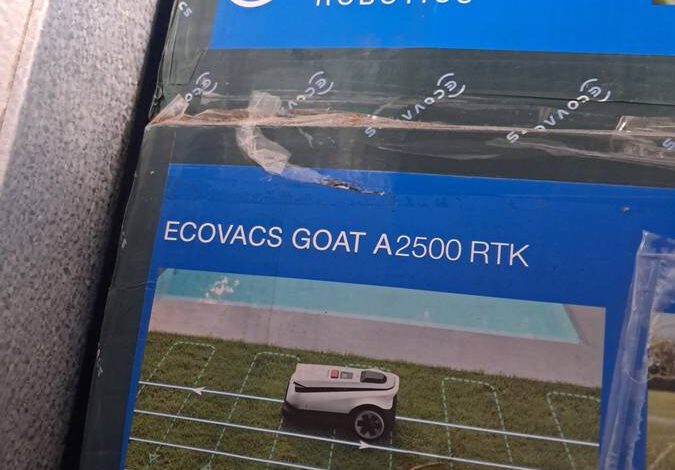
For large properties or those who want the absolute latest technology, this category offers RTK-GPS (no wire) systems, LiDAR mapping, and multi-zone management. Brands like Husqvarna (with their EPOS system) and Ecovacs lead the way here. These mowers can handle multiple acres and navigate the most complex landscapes with ease.
Maintaining the “Smart” in Smart Mowers
Beyond the physical cleaning, your mower’s software environment needs maintenance too. In 2025, most mowers are connected via 4G, 5G, or Wi-Fi. Regularly check the strength of the signal in your yard. If you have “dead zones,” your mower may stop or behave erratically. Consider installing an outdoor Wi-Fi extender to ensure constant communication between the mower and its base station.
Also, manage your mower’s app settings. Modern apps allow you to set “Stay-Out Zones” for when you are entertaining or when the kids are playing. Reviewing these zones once a month ensures that the mower is always operating where you want it and nowhere else.
The Ethics of Autonomous Mowing
As we integrate robots into our daily lives, we must consider the broader implications. Robotic mowers are significantly quieter than gas mowers, reducing noise pollution in suburban neighborhoods. However, their constant operation can impact soil compaction over time. To mitigate this, many 2025 models feature “Randomized Pathing” and “Low-Pressure Tires” to distribute the mower’s weight more evenly across the lawn.
We also encourage owners to create “Wild Zones” in their yardsyour mower between dusk and dawn to protect nocturnal wildlife like hedgehogs. Boundary Security: Regularly check that your boundary wire is intact.
Advanced Troubleshooting: 50+ Error Codes Explained
Modern robotic mowers are equipped with sophisticated self-diagnostic systems. Codes 1-10: Signal Issues (Boundary wire breaks). Codes 11-20: Drive System Faults (Stuck wheels or obstacles). Codes 21-30: Cutting System Errors (Blocked cutting disc). Codes 31-40: Battery and Power Issues (Dirty charging pins). Codes 41-50+: Software and Sensor Calibration Errors.
Conclusion
The era of the robotic lawn mower is here to stay. By taking a proactive approach to maintenance, you are not only protecting your investment but also ensuring that your lawn remains a healthy, vibrant part of your home. Remember, a robotic mower is a partner in your garden’s health